Monday 23rd March
Our first full day in Japan. Time to find our feet.
Fukuoka
The Japanese seem to have adopted British 1950's primary school technology in that when we checked-in we were given 6 breakfast tickets, one for each breakfast we would eat in the hotel. The first major test of the morning is to find them! They must be somewhere, the room isn't that big!
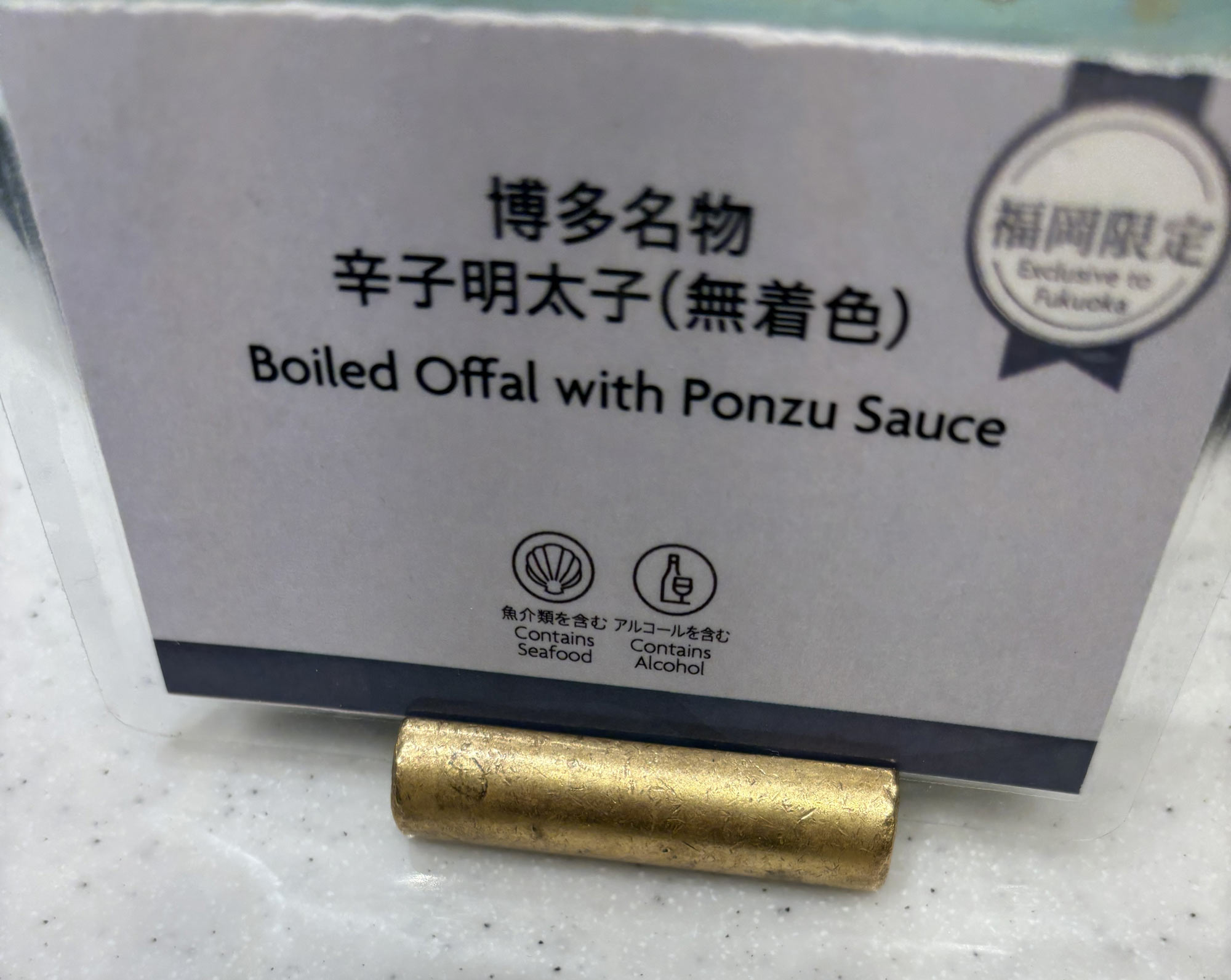
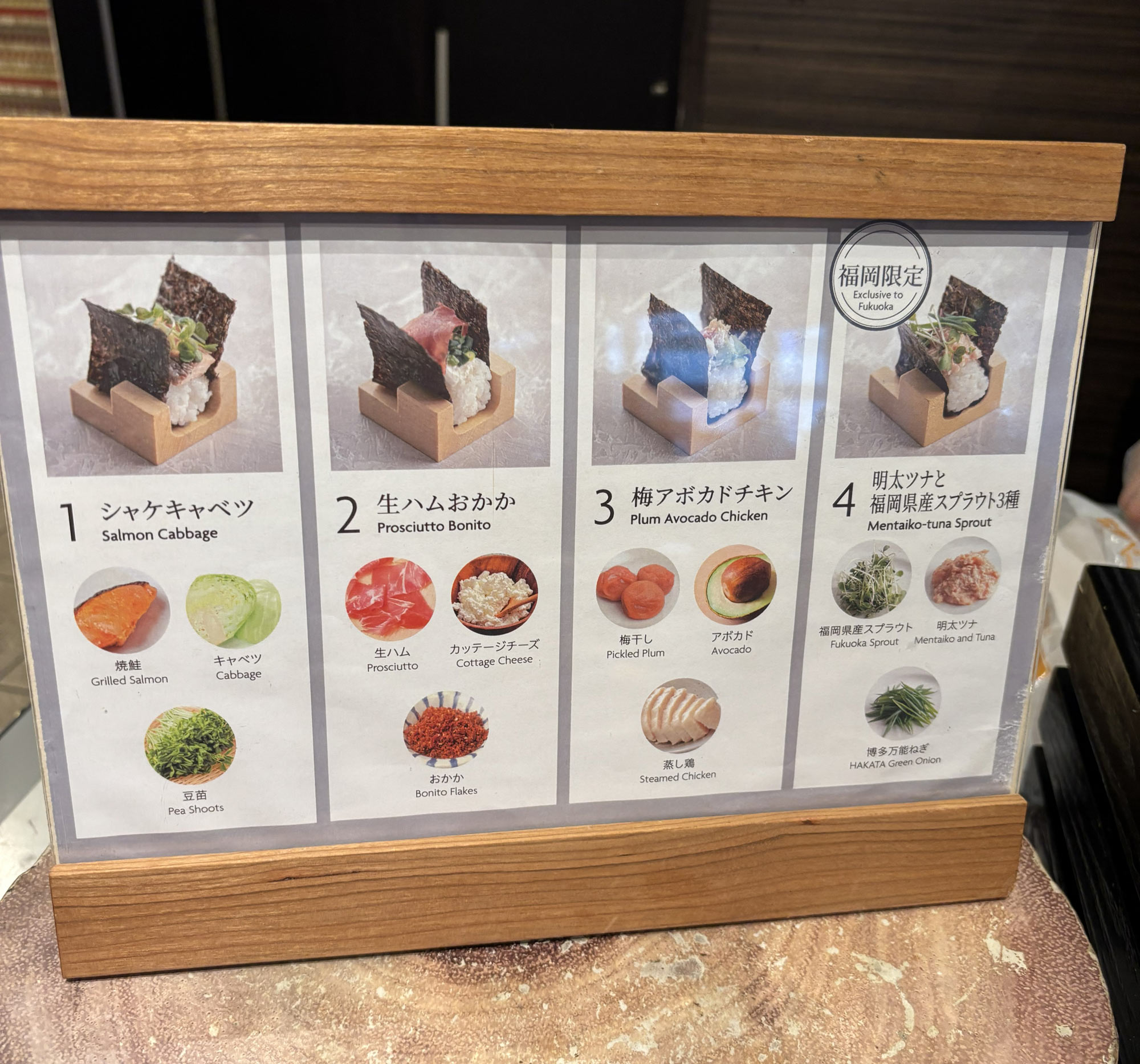
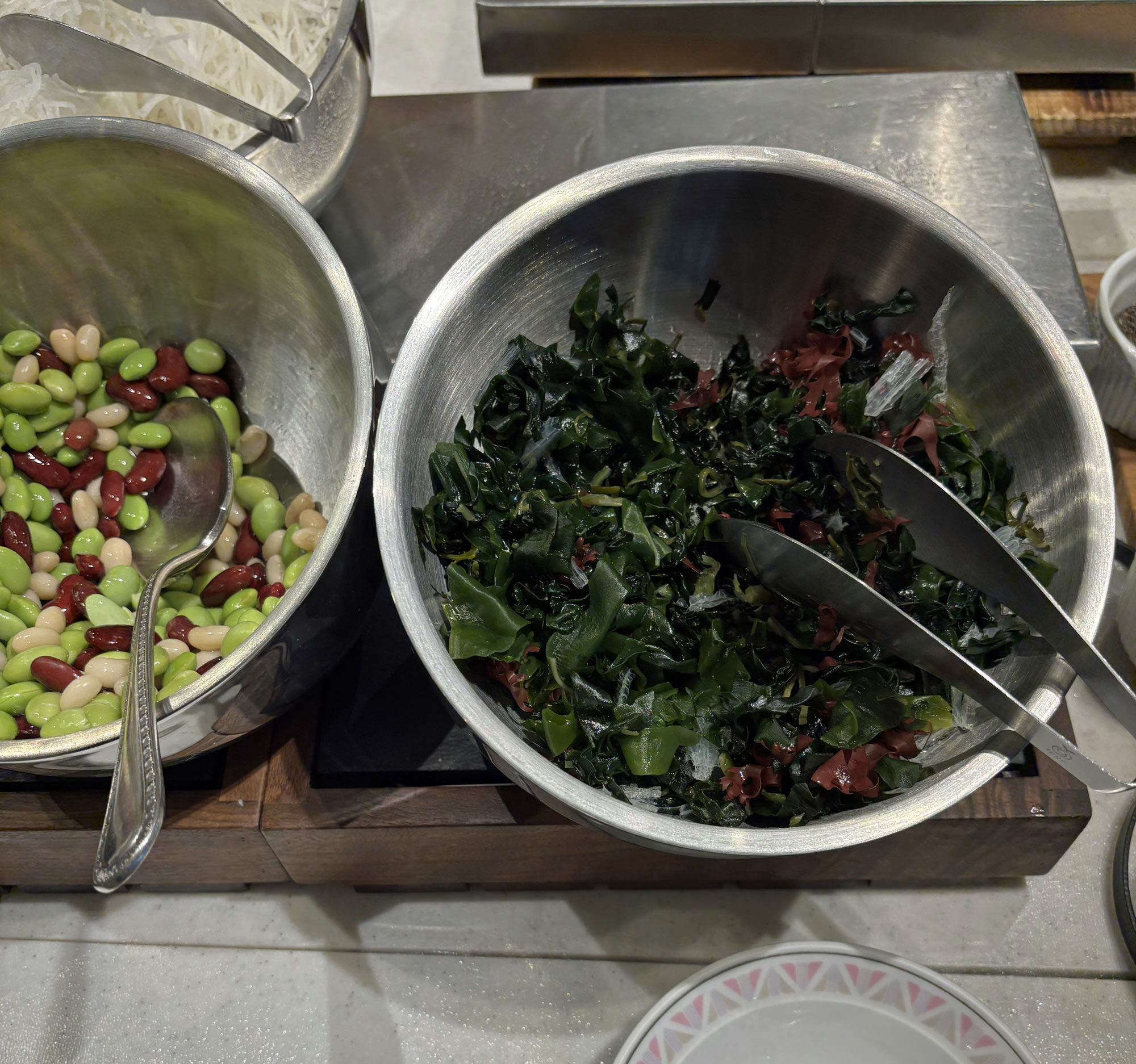
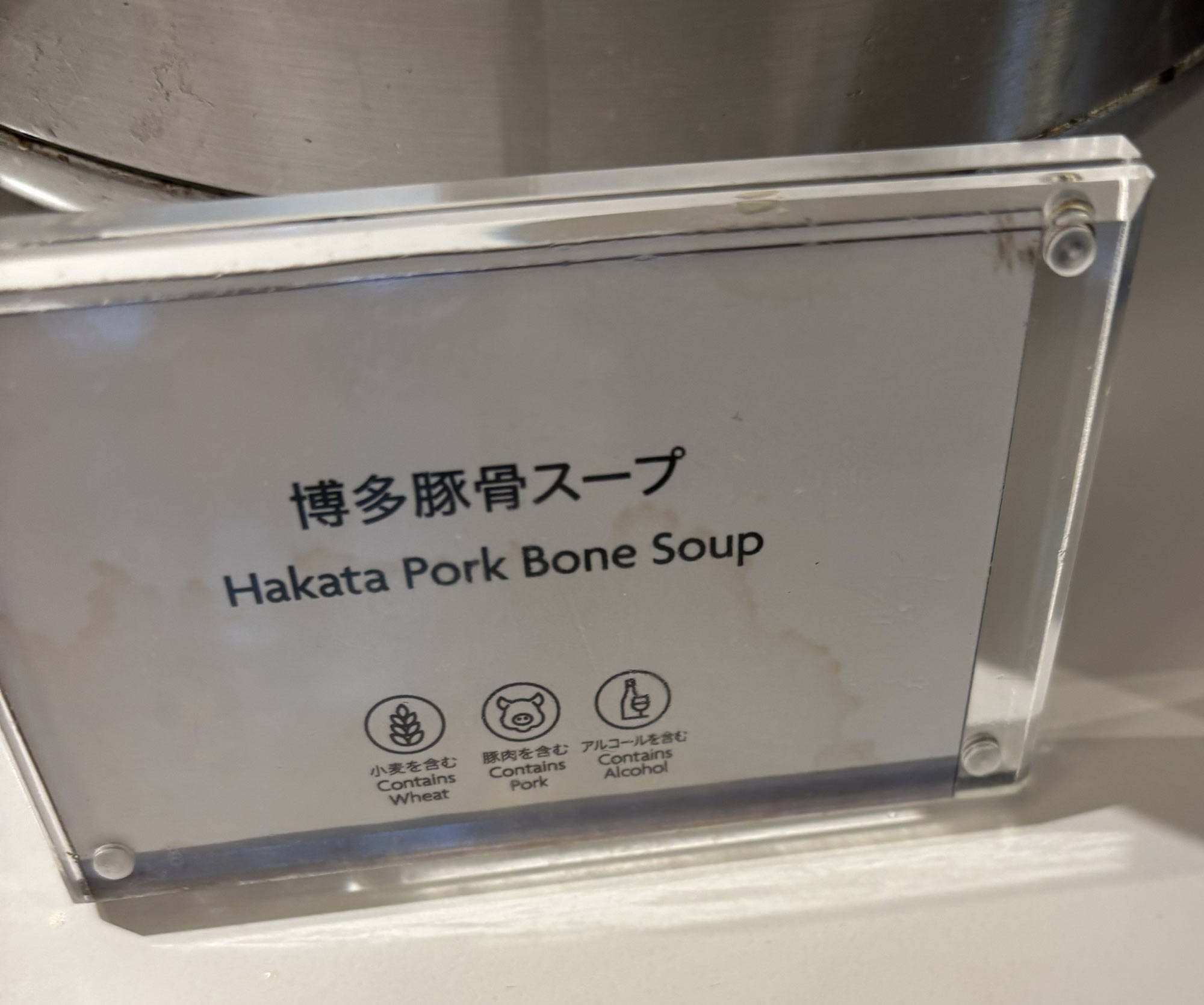
Tickets found, it's down to breakfast, where we eat in the same restaurant as our Steak Buffet last might. Slightly alarmingly it seems to have much the same buffet choice as the night before, although, thankfully, I did spot some western style breakfast cereals and coffee. (In some cases I think they would have been better off not providing a translation!)

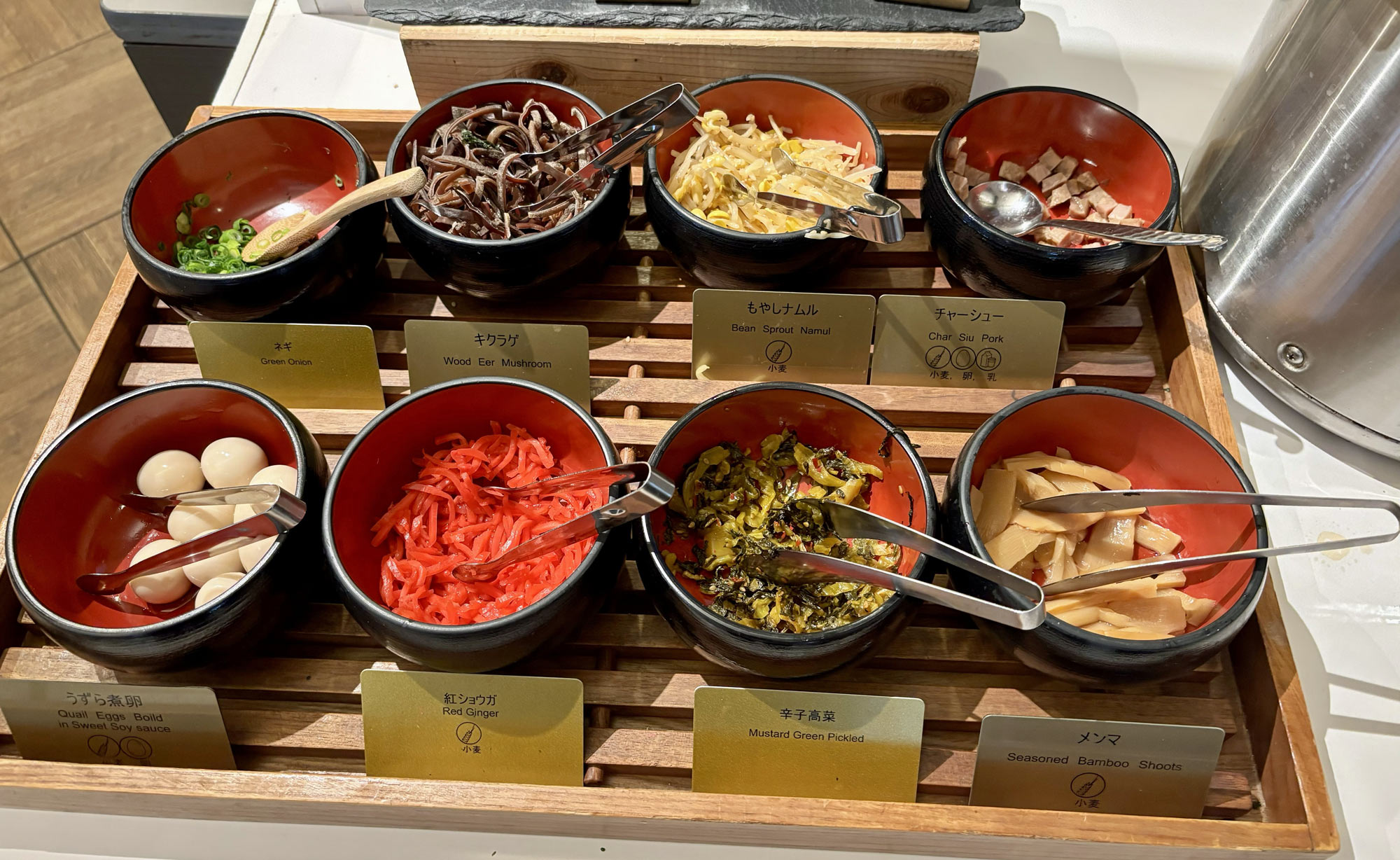
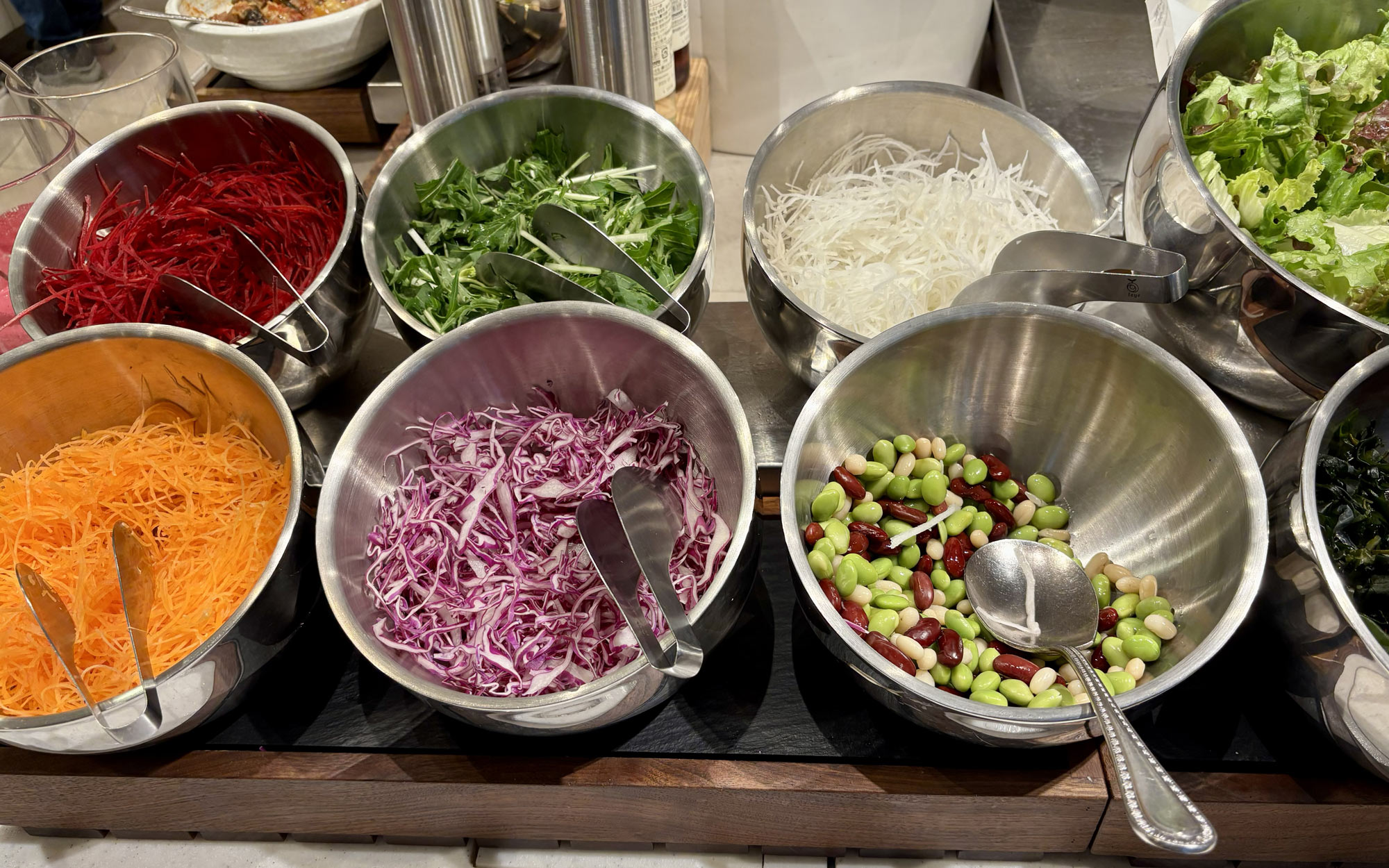
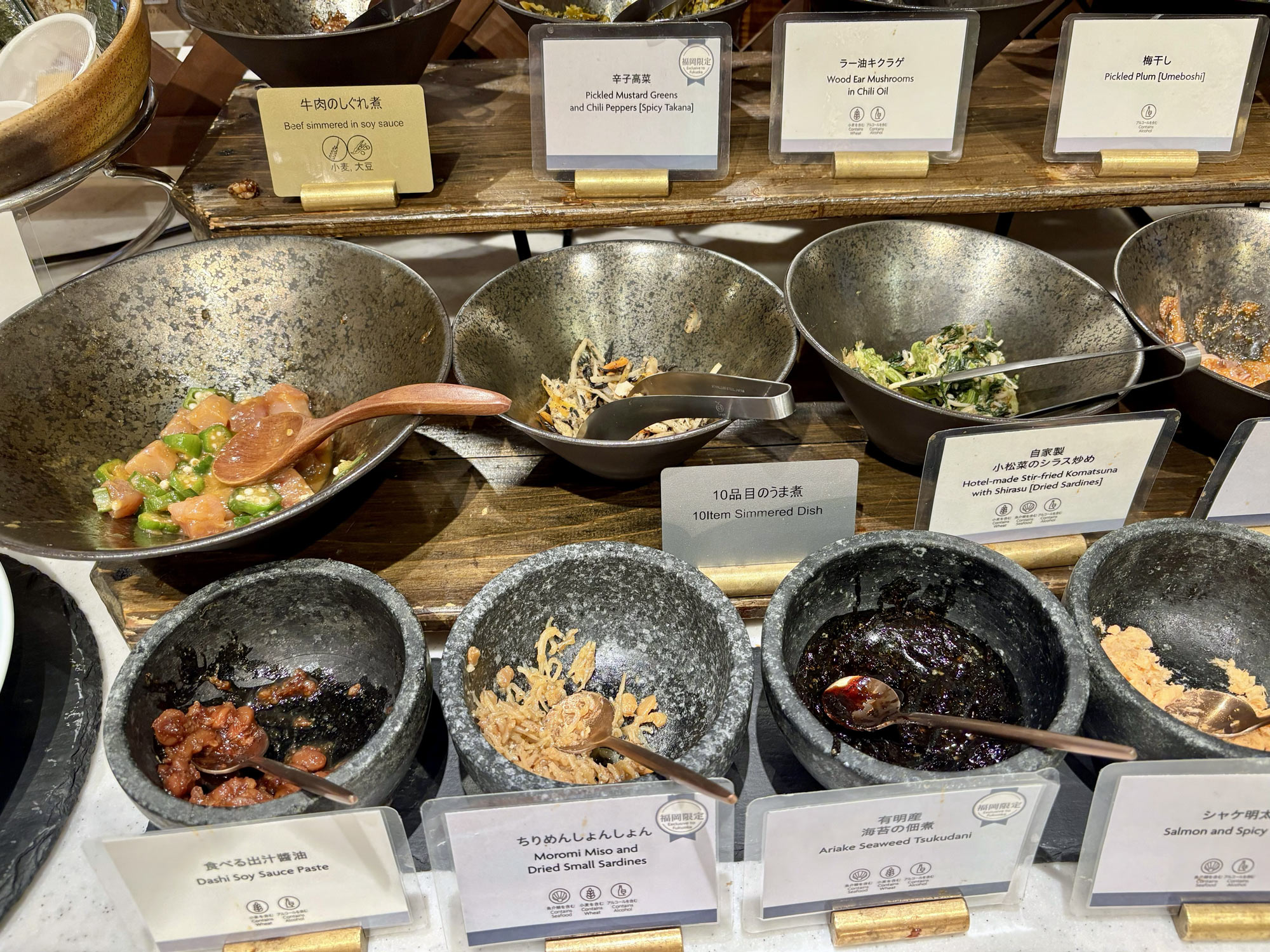


Today we have no 'scheduled' tours, so we can do as we please. (Trailfinders has organised far more activities than I ever imagined. I thought we would get flights, train tickets, hotels and that would be it - we would have to sort out which sights to see etc.. Not a bit of it, as we will see later.)
Before the holiday I had researched things to see/do in and around Fukuoka, but before we embarked on any of that we noticed a small shrine not far from the hotel, so decided on a short walk to see that. (Sumiyoshi Shrine). This gives us the opportunity of trying out the wi-fi hotspot and Google Maps. The wi-fi hotspot can be connected to up to 5 devices, although we only connect our phones and my laptop. It is a fantastic little device, about 5 cm square and about 1 cm thick. It comes with its own charging lead and battery back up.


The hotel might have small rooms but it is ideally placed to get around Fukuoka, being within a very easy walk of the main station (Hakata). Surprisingly Fukuoka has quite an extensive subway system and Hakata seems to be the hub. It also seems to be home of the central bus station.
The place we decide to visit first is Dazaifu.
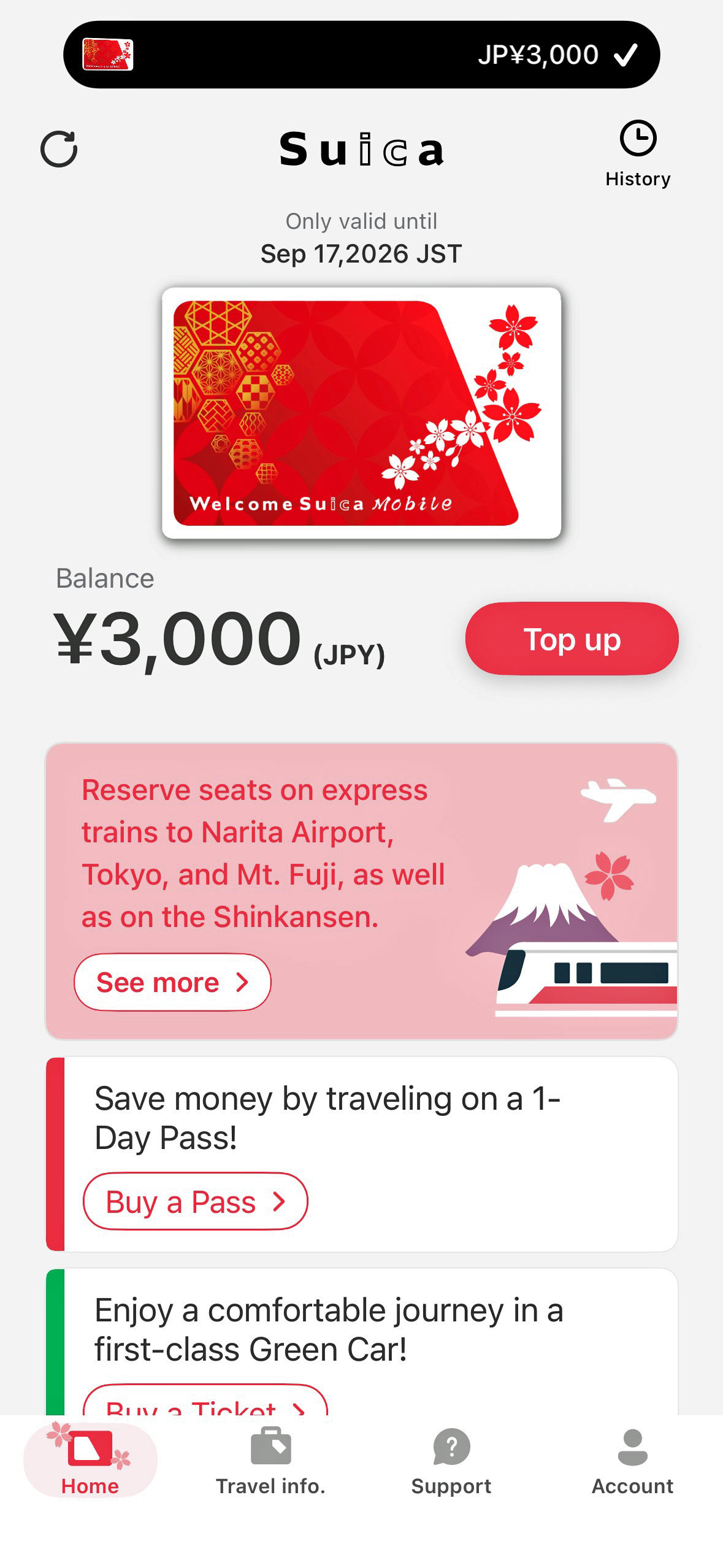
But first a word about Suica. Again, before going to Japan I had heard of Suica cards. These are, essentially, contactless payment cards that can be used on subways, buses, trains and in shops. They can either be physical cards, or electronic, loaded onto mobile phones. (iPhones only?) We opt for the 'Mobile Suica' as it can be loaded as an app onto an iPhone, can be topped up from Apple Pay and can be added to Apple Wallet. It can also be configured so that it can just be presented to an IC reader (on a bus, for example), without having to double-click and do facial recognition. The only downside is that any balance left of the 'card' is non-refundable. For this reason we only add 3,000 yen to our Mobile Suicas. In theory, one way to make sure one gets the balance to 0 is to pay for something in a shop using Suica and making up the balance with cash. That's the theory - in practice I 'lost' about 600 yen.
We walk to Hakata and get Google Maps to plot a route to Dazaifu. The simplest (i.e, fewest changes) is by bus, from the bus station. On first going to a Japanese railway station or bus station, it is very confusing, particularly if one is in a hurry; for locals who know how it works, it's fine, for tourists it can be a real puzzle. By luck we find the correct bus stop, distinguishable by the huge, well ordered, it must be said, queue snaking back past several other bus stops. There's nothing for it other than join the back. One bus comes and about half the queue is consumed; it doesn't look as is we will have long to wait.
The journey to Dazaifu takes about half an hour and it seems our Mobile Suicas work. The bus station is next to the railway station at the bottom of a hill. A 'sacred path' with numerous Torii Gates leads up to the Daizaifu Tenmangu Shrine, passing shops catering for tourists - in this case principally Japanese tourists. At the top of the street we stop at a small cafe and have drinks and something to eat. The 'something to eat' was, I believe red bean paste in a hot rice casing. Not too bad.
There is a statue of a reclining bull that people are lining up to stroke and have their photos taken. It is said that if you stroke the bull, on the head for example, it will improve your intellect. This is a popular spot for students before exams!


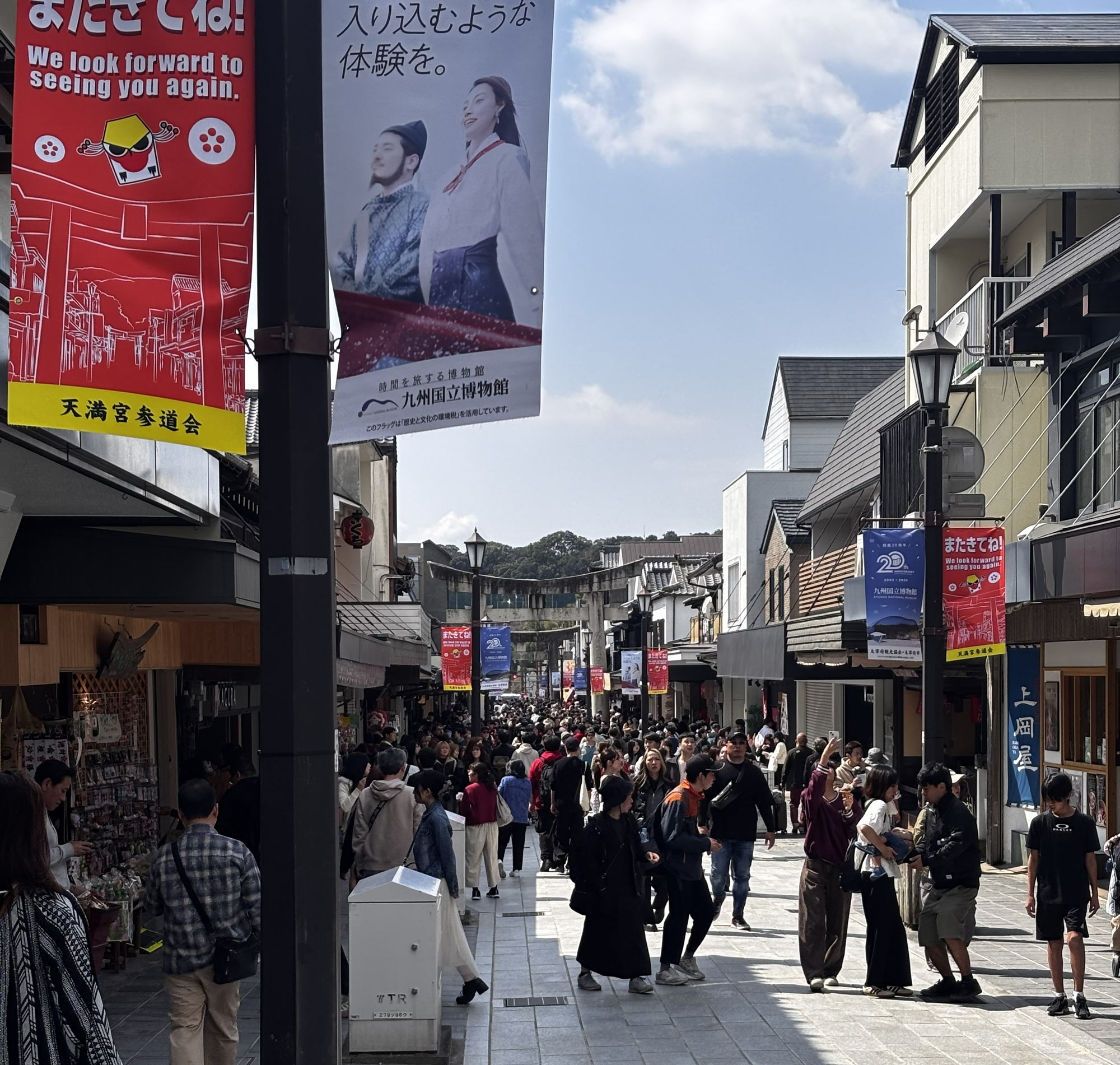


We then spent an hour or so wandering around the shrine and its gardens, before walking back down the hill. To return to Fukuoka we decide we'll try the train, following the guidance of Google Maps - it really is remarkable: this journey required two changes, and both were faultless - a combination of Google Maps and Japan Railways.
Ohori Park is worth a visit. A relatively short subway journey on the 'Airport line' to 'Ohori Park - Fukuoka Art Museum' (closed on Mondays - it's Monday!) By this stage we had seen very little cherry blossom, but this could be the answer. Well, it's a nice park but at the time we visited very few cherry trees are in bloom, and the few that were have plenty of Japanese couples underneath trying to take photos. There are remains of an old castle that we walk around - nothing spectacular, just a pleasant spot.


The one remaining sightseeing objective for today is the Fukuoka Tower. It stands 234 metres tall and is covered with 8,000 mirrors. There is an observation deck at 123 metres which we decide would be a good spot for sunset. To get to the Tower it is a couple more stops on the 'Airport Line' and a short bus ride on bus 306. The views from the observation deck were, as one might expect, extensive. Surprisingly the Tower wasn't really crowded.


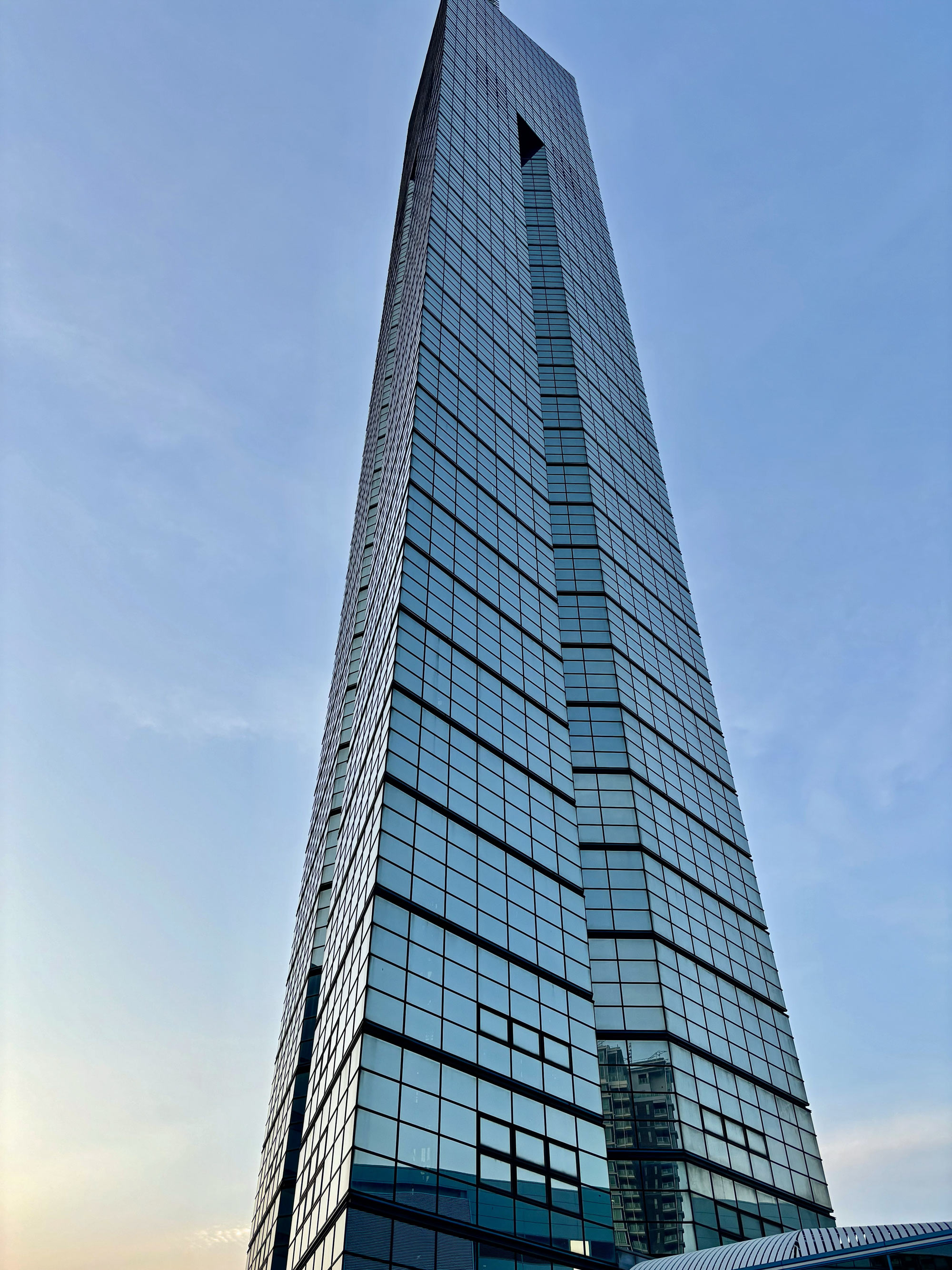
Back down the Tower and a minor disaster. I haven't been monitoring the state of the battery in the Wi-fi hub - and now it's flat. Without the wi-fi there is no Google Maps and no Suica Mobile! We had left the Tower before I discovered this, and it was now getting very windy and quite chilly. We retreated back into the Tower and I tried charging the wi-fi from its back up battery. I thought we were in for a long wait, but eventually it sparked into life and we were able to find our way back to the hotel...
We had dinner in the Mezzanine bar at the hotel, steak for me.
Our first full day in Japan and I feel we are finding our feet and getting to know our way around.